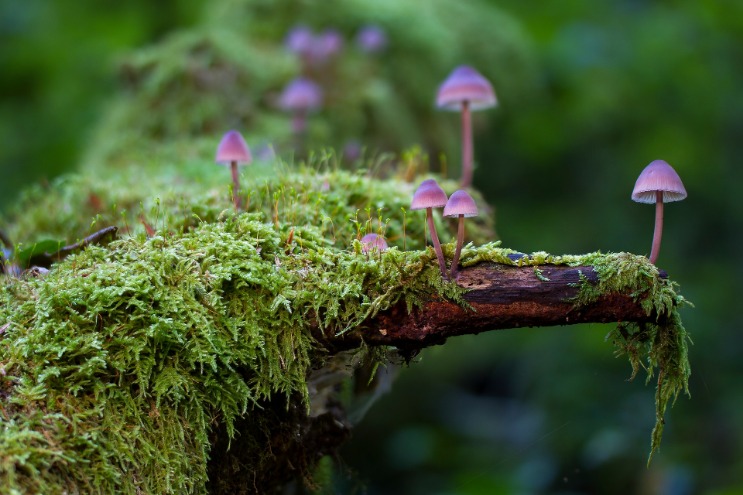
Powerhouses of Health: An In-Depth Look at Key medicinal mushrooms
Across traditional and contemporary health practice, a select group of fungi have earned reputations as true bioactive powerhouses. Lions Mane (Hericium erinaceus) is prized for compounds that support cognitive health and nerve repair; laboratory and human pilot studies suggest benefits for memory, focus, and nervous system resilience. Reishi (Ganoderma lucidum) has a long history as an adaptogen, helping the body manage stress and supporting balanced immune function through triterpenes and polysaccharides.
turkeytail (Trametes versicolor) is widely studied for immune modulation — particularly its polysaccharide-K (PSK) and polysaccharide-peptide (PSP) fractions — which have been used adjunctively in oncology care in some countries. maitake (Grifola frondosa) and shiitake (Lentinula edodes) are nutritional favourites as well as functional ingredients, delivering beta-glucans that support immune responses and metabolic health. chaga (Inonotus obliquus) offers dense antioxidant benefits and traditional uses for inflammation and digestive support, while cordyceps (Cordyceps sinensis and militaris) is notable for supporting energy, endurance, and respiratory health through unique nucleosides and polysaccharides.
Collectively, these species are often described as functional mushrooms because they provide physiological support beyond basic nutrition. Clinical evidence varies by species and condition: some benefits are supported by human trials, while others rely on animal or in vitro studies. Quality, extraction method, and dosage matter greatly — hot-water extracts yield beta-glucans, while alcohol extractions concentrate triterpenes. Consumers and practitioners should prioritise products that standardise active compounds and disclose extraction details to ensure predictable outcomes.
How organic, UK grown Functional Mushrooms Are Cultivated and Tested
Production methods influence both efficacy and safety. Organic cultivation avoids synthetic fertilisers and pesticides, which is important for fungi that bioaccumulate environmental contaminants. In the UK, small-scale growers and some larger farms are now specialising in sustainable, controlled-environment systems that mimic natural substrates while maintaining traceability. Growing on certified organic substrates such as hardwood sawdust, straw, or agricultural by-products ensures a clean nutrient base for species like shiitake, maitake, and Lions Mane.
Good manufacturing practices extend beyond the farm. Post-harvest processing — drying, extraction, and packaging — must preserve active compounds and prevent microbial or mycotoxin contamination. Reputable producers perform third-party testing for heavy metals, pesticides, microbial counts, and verify potency of key markers like beta-glucans or specific triterpenes. For example, certified laboratories quantify compounds and issue COAs (Certificates of Analysis) so consumers can compare batches.
Sourcing locally as UK grown reduces supply-chain length and carbon footprint while offering better transparency. Many UK growers combine traditional mycology knowledge with modern lab analytics to optimise strains for potency and yield. Whether purchasing dried fruiting bodies, standardised extracts, or blended formulas, look for clear labelling that identifies species, part used (fruiting body vs mycelium), extraction ratios, and organic certification. This attention to provenance and testing is particularly important when integrating functional mushrooms into daily health routines or when using them alongside pharmaceuticals.
Practical Uses, Supplements, and Real-World Examples of mushroom tinctures and Other Forms
Functional mushrooms are available in multiple formats: whole dried fruiting bodies, powdered extracts, capsules, and liquid extracts such as mushroom tinctures. Each format has advantages. Powders and capsules are convenient for consistent dosing, while well-made tinctures can offer rapid absorption and versatility — a few drops under the tongue or added to drinks. Dual-extraction tinctures (hot water + alcohol) aim to capture both water-soluble beta-glucans and alcohol-soluble triterpenes, giving a broader spectrum of actives.
Real-world case examples illustrate how different consumers use these products. A UK-based endurance athlete incorporated cordyceps extract into a training cycle and reported improved perceived stamina and recovery, consistent with research on ATP and oxygen utilisation. A small-scale care home integrated turkeytail adjuncts as part of immune-support protocols for residents undergoing conventional treatments, tracking infection rates and tolerance. An independent nutraceutical clinic monitored cognitive scores for clients using Lions Mane extracts over three months and observed modest improvements in memory tasks; while anecdotal, such case series encourage larger trials.
When selecting a mushroom supplement, consider ingredient transparency, standardisation, and whether the product uses fruiting bodies versus mycelium on grain — the former typically contains higher concentrations of target beta-glucans. Safety considerations include potential interactions (for example, immune-modulating fungi with immunosuppressants), allergies, and dosing guidelines; healthcare consultation is advisable for pregnant or nursing individuals and people on medication. Consumer reviews, COAs, and clear manufacturing practices help separate effective products from poorly made formulations.