We are a team of passionate people who love what we do and care about hearing health. Our vision is to ensure children and adults have access to good hearing services to achieve their full potential in life. We are experienced audiologists who are registered full members of the New Zealand Audiological Society (MNZAS). Since graduating from the University of Auckland, we have both worked in a large audiology company in several clinics around Auckland. We have worked extensively with adults, children, and in specialised areas of audiological testing. We both have experience as clinic managers and supervisors. As independent audiologists, we aim to provide the best quality of care for every person and every family, ensuring that our clinical decisions and recommendations are best for you.
Understanding ear wax: Causes, Risks, and When to Seek Help
Ear wax, medically known as cerumen, is a natural substance produced by glands in the ear canal. It plays an important protective role by trapping dust, repelling water, and providing antibacterial properties. However, when the ear’s natural cleaning mechanism is disrupted—by excess production, narrow ear canals, frequent use of earbuds, or cotton bud use—wax can accumulate and cause symptoms such as reduced hearing, tinnitus, ear fullness, itchiness, or discomfort.
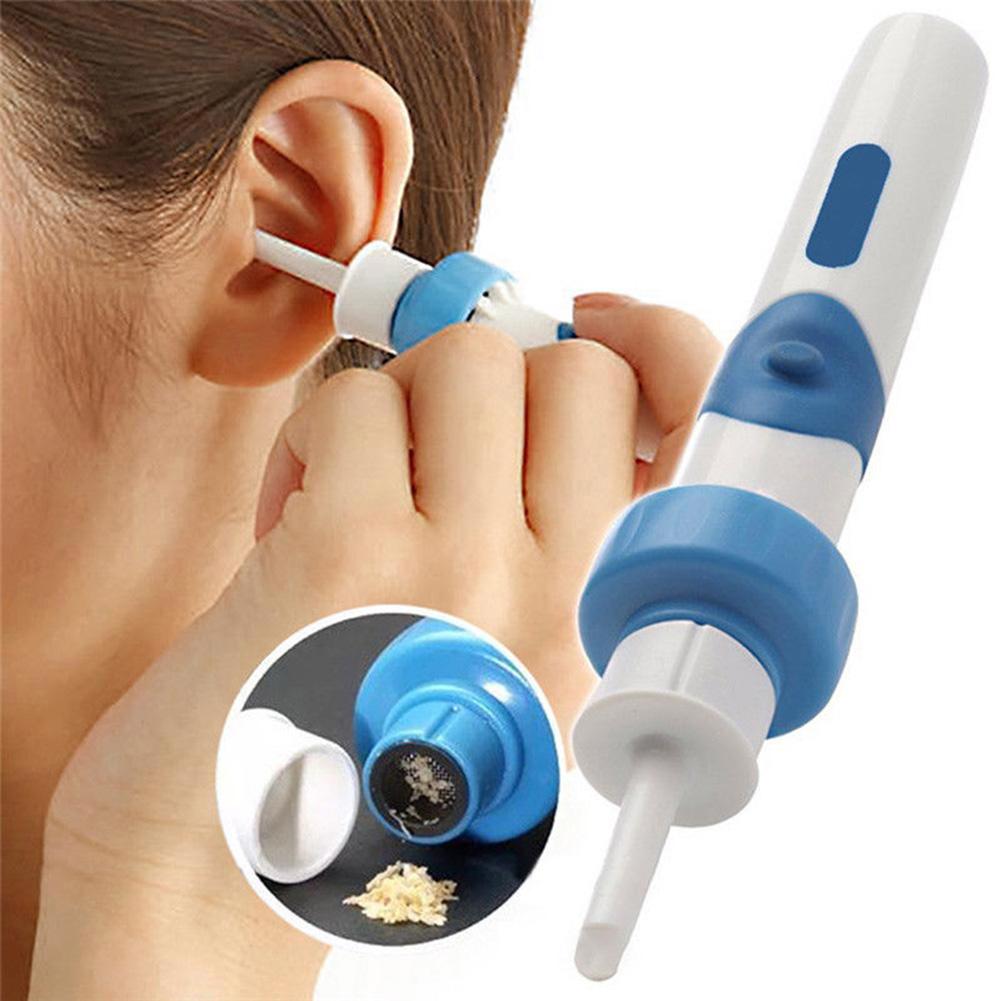
While many people manage minor issues with at-home softening drops or gentle irrigation, certain signs indicate the need for professional attention. Sudden or severe hearing loss, pain, persistent discharge, dizziness, or a history of ear surgery or perforated eardrum warrant evaluation by a qualified clinician. Children and older adults are also at higher risk of problematic impaction because of smaller ear canals or increased cerumen production and should be assessed by experienced practitioners.
Professional removal reduces the risk of complications from unsafe at-home attempts. Techniques performed by trained audiologists limit trauma to the canal and tympanic membrane and allow appropriate testing when required. Early intervention restores hearing function and quality of life, prevents recurrent infections, and ensures any underlying issues—such as eczema in the ear canal or anatomical changes—are identified and managed. For residents of Auckland seeking reputable care, Ear Wax Removal Auckland connects you to safe, evidence-based services that prioritize patient comfort and long-term ear health.
Safe Removal Methods Available in Auckland: Microsuction, Irrigation, and Best Practices
Modern ear wax removal focuses on safety, comfort, and efficacy. Two widely accepted clinical methods are microsuction and controlled irrigation. Microsuction uses a small suction device and a binocular microscope to remove wax under direct vision. It is particularly useful for fragile eardrums, narrow canals, or hard impacted wax because it avoids introducing water into the ear and allows precise removal. Many patients find microsuction quick and comfortable, with immediate improvement in hearing and minimal aftercare.
Controlled irrigation, performed by trained clinicians, gently flushes the ear canal with body-temperature water or saline using regulated pressure. It can be effective for softer wax and is often combined with pre-treatment using softening drops over a few days. Clinicians screen for contraindications—such as recent ear surgery, perforation, or a history of severe vertigo—to determine suitability. Both methods require appropriate infection control, careful clinical assessment, and follow-up when necessary.
Best-practice care in Auckland includes an initial assessment by a registered audiologist, otoscopic inspection, and hearing checks when indicated. Patients receive clear advice on ear maintenance to reduce recurrence, such as avoiding cotton bud insertion and using preventive drops only when recommended. Clinics often provide child-friendly environments and tailored approaches for anxious patients. Choosing a registered provider ensures adherence to professional standards and access to ancillary services like hearing tests, wax prevention education, and referral pathways for complex ear conditions.
Case Studies and Real-World Examples: Restoring Hearing and Confidence
Real-world examples illustrate how timely, professional intervention transforms lives. A primary-school child presented with attention difficulties and recurrent ear discomfort; assessment revealed impacted cerumen obstructing the canal and causing conductive hearing loss. Following a brief microsuction procedure and ear-care education for caregivers, the child’s hearing normalized and classroom engagement improved. This case highlights the importance of assessing hearing whenever behavioural or learning issues arise.
Another example involved an older adult who had attempted multiple home irrigations and developed chronic irritation and a small canal abrasion. An audiologist performed a careful inspection, treated the irritation, and used gentle microsuction to clear compacted wax. Hearing improved immediately, but the key outcome was education: the patient learned safer ear hygiene practices and the signs that should prompt professional review, preventing further self-inflicted injury.
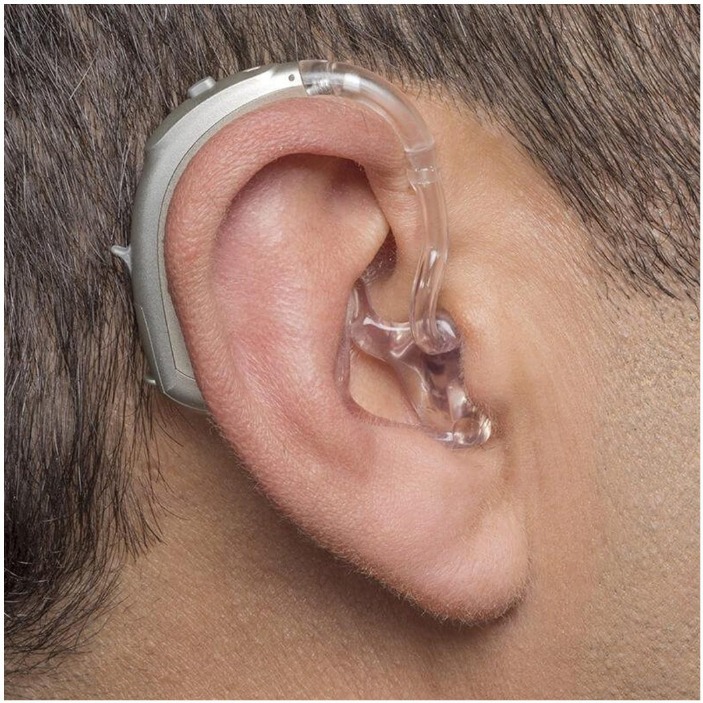
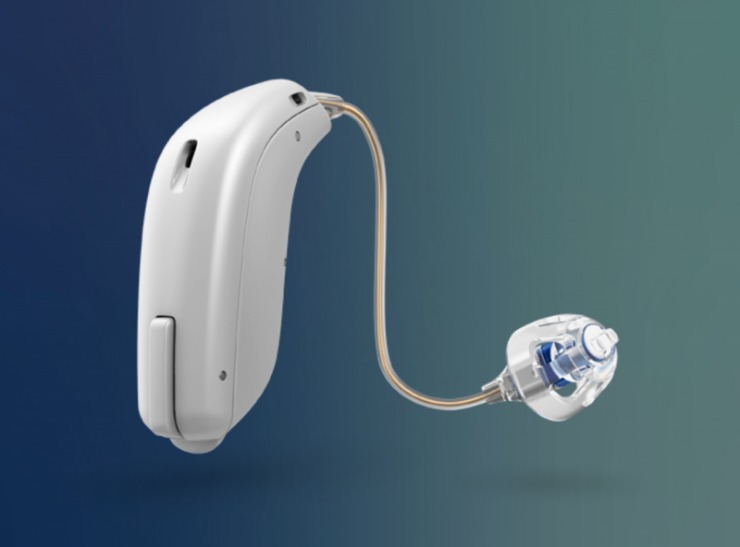
For individuals with hearing aids, retained ear wax often causes device feedback, reduced amplification, and frustration. A case of a hearing aid user who experienced sudden feedback was resolved after a clinic-based wax removal and device check, restoring function and confidence in daily communication. These examples demonstrate that accessible, evidence-based ear care in Auckland not only improves audiological outcomes but also supports social participation, learning, and overall wellbeing. When deciding where to go, seek clinicians who combine technical skill with patient-centred communication and follow-up care.