When trailers back up to a dock, every minute counts. Delays at this critical handoff ripple through the whole supply chain, affecting delivery promises, labor costs, and customer satisfaction. That is why many operations turn to rollers for unloading trucks—simple, robust mechanisms that transform a trailer’s dark, confined space into a controlled, flowing lane of goods. In fast-moving sectors such as express delivery, e-commerce fulfillment, and cross-border logistics, well-specified roller systems can dramatically reduce manual handling, improve ergonomics, and raise throughput without requiring a full-blown automation overhaul.
What Are Rollers for Unloading Trucks and Why They Matter
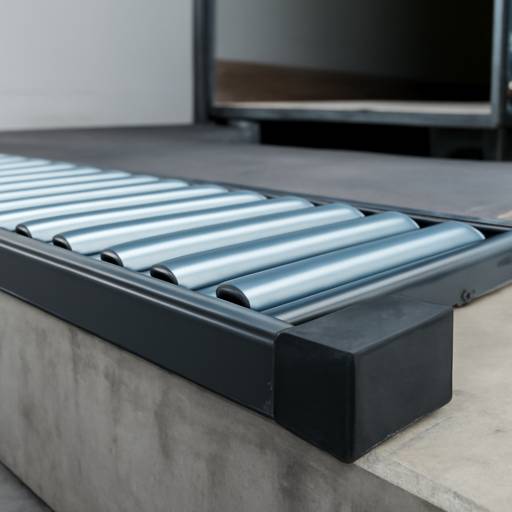
At their core, rollers for unloading trucks are cylindrical elements mounted in a frame to create a low-friction pathway for cartons, totes, sacks, and other unit loads. As packages roll toward the dock—by gravity, by powered rollers, or with a light assist from operators—the unloading process becomes predictable, safer, and faster. The concept is straightforward, but thoughtful design and manufacturing quality elevate a basic roller line into a dependable, high-volume solution for modern logistics.
There are several common configurations. Gravity roller conveyors rely on a slight decline to move parcels to the dock. They are low maintenance, require no power, and excel in applications where package bottoms are firm and consistent. Flexible and expandable roller conveyors add mobility, allowing teams to “snake” the line deep into a trailer, then retract and roll it to the next door. Motor-driven roller (MDR) systems use small, efficient drives inside select rollers to control zones, sense accumulation, and maintain steady flow without manual pushing. Hybrid dock setups often pair a powered infeed or telescopic unit with gravity or flexible sections to cover the last meters inside a trailer.
Material choices impact longevity and suitability. Galvanized steel rollers offer strength and durability for general warehousing and industrial goods. Stainless steel and sealed bearings handle moisture or washdown environments. PVC-coated rollers can protect delicate packaging and reduce noise. Diameter, wall thickness, bearing type, and roller pitch (spacing) determine the load capacity and flow characteristics. For example, larger diameters and closer spacing are better for heavier items or irregular surfaces, while a more open pitch suffices for small, rigid cartons.
The benefits go beyond speed. Unloading with rollers reduces repetitive lifting and twisting, lowering injury risk and fatigue. It minimizes package drops and scuffs by guiding items along a defined path. In busy hubs serving regional and international routes, these gains scale quickly, helping facilities absorb volume spikes and seasonal peaks without expanding dock labor. Combined with scanners, dimensioners, and sortation downstream, rollers for unloading trucks become an essential link in a connected flow, ensuring that inbound goods reach putaway, cross-dock, or dispatch zones with minimal friction.
Selection and Design: Matching Roller Systems to Your Operation
Choosing the right setup begins with the load. Consider the smallest and largest package you expect to handle, the base material (corrugated carton, plastic tote, woven sack, rubber tire), and any fragility concerns. This informs roller diameter and pitch: softer or irregular bottoms need broader support, while uniform cartons can travel on tighter pitch without snagging. Frame width should allow side clearance so items do not rub against guards, and end-stops should prevent runaway cartons at the dock edge.
Next, factor in the flow strategy. A gravity line needs a controlled decline and an easy transition from trailer floor to the first roller. Package brakes or retarder rollers can moderate speed on long runs. Flexible/expandable conveyors are ideal for facilities with multiple doors and variable trailer positions because teams can extend them into the truck, load out parcels, then retract and move to the next bay. Where predictable accumulation and precise metering are essential—such as feeding a sorter or auto-scan lane—MDR conveyors with zone control provide gentle starts/stops and low power draw.
Environment also matters. In humid climates or cold-chain docks, consider sealed bearings, stainless frames, and low-temperature lubricants. Anti-static options reduce the risk of ESD for electronics. For dusty or abrasive environments, sealed or shielded bearings and protective covers extend service life. Noise-sensitive sites might specify rubber-coated or low-noise rollers. Finally, integration details bring everything together: dock levelers, wheel chocks, trailer restraints, lighting inside the trailer, and clear floor markings create a safe, efficient working area. A short powered section at the dock face can help “pull” cartons from deep inside the trailer onto gravity lines without excessive operator effort.
Many operations benefit from modularity. Seasonal surges, promotional peaks, or shifts in product mix may call for quick reconfiguration. Flexible conveyors on locking casters, bolt-together gravity frames, and standardized roller units let teams re-lay a line in minutes. This is particularly valuable for express hubs and cross-border facilities where trailer types vary day-to-day. With the right mix of gravity, flexible, and powered zones, you can design for today’s packages while staying agile for tomorrow’s demands.
Implementation, Safety, and Maintenance Best Practices
A successful rollout starts with a site survey and data capture: trailer types and floor heights, average and peak parcels per hour, package dimensions and weights, and the distance from dock to receiving or sortation. Map the product journey from trailer tail to its next processing step. This clarifies where to use gravity versus powered sections, how many flexible lines you need per door, and what safeguards should be in place. Many teams pilot a single lane at one dock, gather feedback, and then scale the design across additional doors.
Operator safety and ergonomics are central. Set up clear walk paths to avoid pinch points and ensure handrails or guards at sharp transitions. End-stops, side guides, and warning decals help keep packages and hands where they belong. Provide adequate lighting inside the trailer and at the dock face. Train teams on proper pushing technique, safe speeds on gravity lines, and how to manage flow with accumulating rollers. Lockout/tagout procedures are essential for any powered zones. Routine housekeeping—removing strapping, shrink wrap, and loose debris—prevents jams and protects bearings and belts. Always comply with local regulations and recognized safety standards to maintain a safe, high-performance dock.
Maintenance is straightforward but must be consistent. Daily, wipe down rollers and check for obstructions or label buildup that can increase friction. Weekly, inspect for misalignment, wobble, or unusual noise indicating bearing wear. Verify that flexible sections expand and lock correctly, casters roll smoothly, and end-stops are secure. Monthly or quarterly, lubricate bearings per manufacturer guidance, check fasteners for torque, and replace any dented or seized rollers. Keep a small stock of spare rollers, axles, and bearings to minimize downtime. Well-maintained lines roll freely with minimal operator input, preserving the ergonomic and productivity advantages that justified the investment.
Performance monitoring turns a good system into a great one. Track metrics like unload time per trailer, packages per person-hour, and damage or rework rates. If parcels consistently stall at a particular point, adjust the slope, add a retarder roller, or revise the transition between conveyor sections. If fragile items show scuffing, consider softer roller coverings or closer roller pitch for better support. Small tweaks often unlock big gains, especially in high-velocity docks.
For teams evaluating procurement options, focus on build quality, roller tolerance, bearing seals, and the modularity of frames and components. Reliable lead times, scalable designs, and responsive technical support matter as much as the hardware itself—especially in sectors like express delivery, warehousing, and international logistics where uptime is crucial. When sourcing, explore product ranges dedicated to rollers for unloading trucks to compare configurations that match your environment, package mix, and dock layout.
In practice, the right roller system can reshape how crews work inside trailers. Instead of pushing and carrying every carton to the dock, operators guide the flow, scan and sort efficiently, and hand off to downstream processes with less strain. The result is a safer, faster, and more predictable inbound operation—one that meets today’s service promises and scales with tomorrow’s volume.