Nothing derails a great story faster than picking up the wrong installment. A carefully mapped book series thrives on momentum—characters evolve, secrets unravel, and worlds expand with each volume. When the sequence is off, emotional beats miss, twists feel unearned, and themes lose their punch. With a little strategy, the right reading order turns confusion into clarity, preserving the author’s intent and elevating every moment you spend in that universe.
Why Reading Order Matters More Than You Think
The order you follow changes the story you get. In many sagas, continuity is the engine: character arcs build over time, plot threads braid across volumes, and callbacks reward long-time readers. Reading out of sequence can flatten growth, spoil reveals, or make key scenes feel inexplicably distant. Think of it as watching the middle of a season before the premiere—you may grasp the plot, but the payoff shrinks. Even in “standalone” mysteries or thrillers, subtle character development, relationships, or career milestones accumulate. A well-chosen reading order amplifies satisfaction by letting those layers land exactly when intended.
Two frameworks dominate: publication order and chronological (in-world) order. Publication order follows the path the earliest readers took, mirroring how themes and world-building matured. This is often the safest bet for first-timers, especially when prequels were written later with foreknowledge that reframes earlier entries. Chronological order can be tempting—who doesn’t want to start at “the beginning”?—but it can backfire if the prequel assumes familiarity or deflates a mystery by answering questions too soon. Consider series like The Chronicles of Narnia, where the “first” event in-world was not the first book released; or The Witcher, where short story collections set the stage for later novels. In each case, reading strictly by timeline can dilute the narrative design if you’re new to the universe.
Genre also affects the calculus. Epic fantasy and space opera often hinge on world-building that deepens with each release, making publication order ideal. Hardboiled detectives and procedural crime lines can be more forgiving, yet even there, long arcs—promotions, romances, rivalries—gain heft when read sequentially. For sprawling networks like multiverses or shared-world anthologies, curated paths become essential: subseries first, then crossovers, then optional extras. Seasoned readers sometimes mix approaches, starting with publication order for a first pass, then revisiting chronologically to appreciate foreshadowing and thematic resonance. However you approach it, the right sequence safeguards immersion, preserves surprise, and highlights the careful craft behind an author’s design.
How to Determine the Right Sequence for Any Saga
Begin by identifying the canonical series list. Author websites and publisher pages often post definitive sequences, including novellas or special editions. Bibliographies and library catalogs can help, especially when a series has regional title variations or revised numbering. Publication years provide a reliable backbone; pair them with an author’s notes to confirm intended paths. If you encounter omnibuses or anniversary editions, check whether they rearrange stories or include extras that might fit better later. A little diligence saves you from mid-series spoilers or continuity gaps.
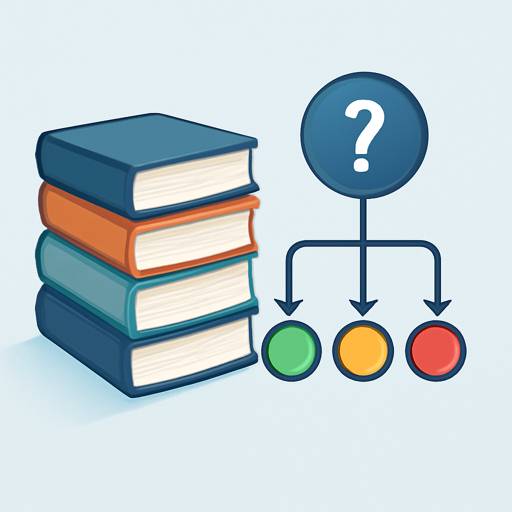
Next, separate the main line from its subseries. Some worlds function as constellations rather than single strings. Discworld, for example, can be navigated via sub-arcs (e.g., City Watch, Witches) before tackling crossovers; the Marvel novels, Star Wars expansions, and other shared universes may have “era-based” routes. Where multiple entry points exist, choose a path that aligns with your taste—political intrigue, character-driven arcs, or high-stakes action—and then expand outward. Many readers prefer to complete one subseries at a time to preserve tonal integrity and track recurring casts without confusion.
Short fiction complicates sequencing. Novellas, prequel stories, and interludes can be delightful but disruptive if mistimed. When a short piece introduces crucial backstory, place it just before the novel that leverages it; if it spoils a twist, save it as a bonus afterward. Audio exclusives and special editions can hide critical scenes—consult a trusted index to verify placement. Beware of renumbered mass-market runs or international releases that shuffle order; verify dates and check for alternative titles. As a practical rule, default to publication order for a first journey unless a respected guide explicitly recommends otherwise. For re-reads, chronological order can reward close attention, revealing the scaffolding of foreshadowing and theme. Build your plan, bookmark it, and note progress so you never lose your place again.
Real-World Playbooks: Case Studies and Proven Strategies
Case 1: The long-arc mystery. Series like Louise Penny’s Chief Inspector Gamache or Ian Rankin’s Inspector Rebus illustrate why intentional sequencing pays off. While each investigation wraps, the emotional architecture—friendships, feuds, institutional pressure—evolves book by book. Read in order, the consequences of earlier choices ripple forward, heightening tension in later entries. Dip in randomly and you’ll still enjoy a clever puzzle; follow the designed path and you’ll witness a character’s philosophy shifting under moral weight. A practical strategy is to map publication order, mark a few critically acclaimed tentpoles (often award winners), and commit to that spine. Slot any novellas where the author suggests or just after a major reveal to deepen context without undercutting surprise.
Case 2: The “episodic” thriller. Jack Reacher, Alex Cross, and similar franchises are famously approachable at almost any point. But even in these, reading order shapes nuance—recurring allies and enemies, subtle callbacks, and personal history emerging over time. Newcomers can sample a best-regarded installment to test the voice, then restart at book one or follow release order from that entry forward. When prequels appear, avoid dropping them at the very front unless you’re comfortable with meta-foreshadowing; they often reward established readers by reframing motivation. If a TV or film adaptation hooks you, locate the corresponding novel within the sequence and decide whether to jump in there or circle back. A blended path—flagship title, then full publication run—offers both instant gratification and long-form payoff.
Case 3: The sprawling SFF epic. Worlds like The Expanse, The Wheel of Time, or Brandon Sanderson’s interconnected universes thrive on layered construction: main novels, companion novellas, and cross-series threads. Here, sequencing is mission-critical. Start with the core novels in publication order to anchor the macro-plot. Insert shorter works only where they illuminate upcoming stakes without defusing mystery—often between major arcs. Keep a living list as you proceed; when you reach crossroads with two valid routes, choose based on your appetite for lore versus momentum. A reliable, curated index removes the guesswork; consider using a trusted resource such as book series reading order to verify placements and alternate paths. Readers can browse a collection of authors, each with a complete list of their books across all series, making it simple to navigate complex bibliographies, spot missing volumes, and decide whether to follow publication order, chronological order, or a hybrid. With a clear map in hand, the “Which book comes next?” problem disappears, letting the story deliver its full force—twist by twist, chapter by chapter.