Erectile dysfunction is often framed as a private struggle, but it is far more common than most men realize. Occasional difficulty getting or keeping an erection can happen at any age, especially during periods of stress, fatigue, or illness. However, when the problem becomes persistent, it is not just a sexual inconvenience. It may be an early warning sign of changes in blood flow, nerve signaling, or emotional health. A detailed clinical overview of erectile dysfunction and its contributing factors can be found at https://erectiledysfunctionmen.com/ed-dysfunction.html. Rather than viewing ED as a source of shame, men can treat it as a starting point for better cardiovascular health, stronger communication with partners, and more informed medical care.
The Underlying Mechanisms and Common Causes of Erectile Dysfunction
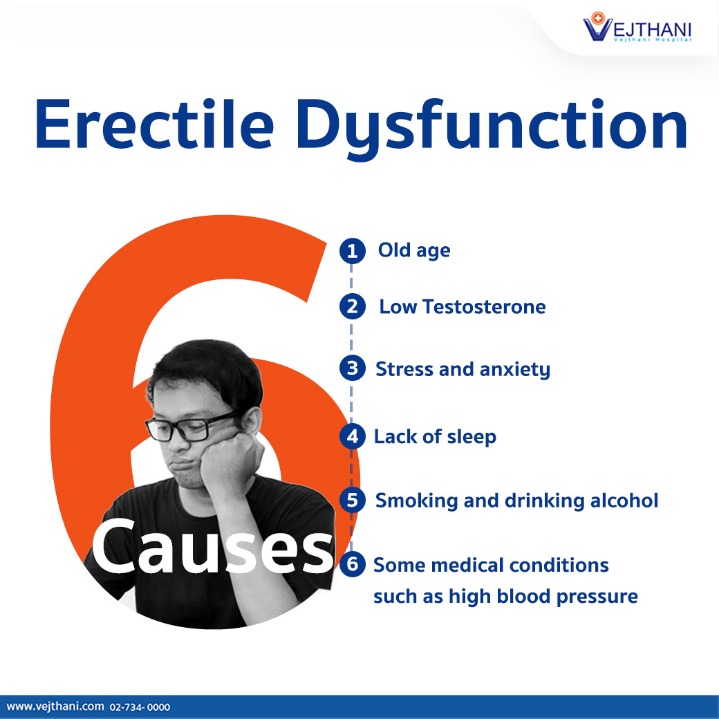
An erection is a complex process that depends on healthy arteries, responsive nerves, balanced hormones, and a relaxed psychological state. When sexual stimulation occurs, the brain sends signals through the nervous system to the blood vessels in the penis. These vessels widen, allowing blood to fill sponge-like tissues, while surrounding veins are compressed to keep blood in place. Any disruption in this chain can lead to erectile dysfunction. In many men, the root cause is vascular insufficiency, where narrowed or stiffened arteries cannot deliver enough blood. Conditions such as atherosclerosis, high blood pressure, high cholesterol, and diabetes are leading contributors. Because the penile arteries are smaller than coronary arteries, erectile difficulties may appear years before a heart attack or stroke. This is why persistent ED should be evaluated as a possible sign of broader cardiovascular risk rather than dismissed as an isolated issue.
Neurological and hormonal factors also play a significant role. Multiple sclerosis, Parkinson’s disease, spinal cord injuries, and nerve damage from prostate or pelvic surgery can interfere with the signals required for an erection. Low testosterone does not always cause ED by itself, but it can reduce sexual desire and make achieving an erection more difficult. Thyroid disorders, chronic kidney disease, and obesity further complicate the picture by altering metabolism, blood flow, and energy levels. In younger men, psychological barriers such as performance anxiety, depression, relationship conflict, or stress are frequently involved. These emotional factors can increase adrenaline and tighten blood vessels, creating a cycle in which one failed erection leads to more anxiety and future difficulties.
Medications are another common but underrecognized cause. Antidepressants, certain blood pressure drugs, antihistamines, and treatments for prostate enlargement can affect erectile function. Alcohol, tobacco, and recreational drug use also impair blood flow and nerve sensitivity. Understanding these causes is important because it shifts the focus from blame to investigation. Erectile dysfunction is rarely a single-cause condition. More often, it reflects a combination of physical health, emotional state, medication effects, and lifestyle habits. Identifying the full picture is the first step toward a treatment plan that actually addresses the underlying issues.
From Prescription Medications to Lifestyle Science: Treatment Pathways That Work
Treatment for erectile dysfunction begins with a proper medical assessment. In many cases, improving the underlying condition—such as controlling blood sugar, lowering blood pressure, or managing cholesterol—can improve erectile function. Prescription medications known as phosphodiesterase type 5 inhibitors are often the most well-known approach. These include sildenafil, tadalafil, vardenafil, and avanafil. They work by relaxing blood vessels and increasing blood flow to the penis in response to sexual stimulation. They do not create an automatic erection, and they are not aphrodisiacs. A physician will consider heart health, current medications, and other conditions before prescribing them. Nitrate medications, for example, can interact dangerously with these drugs, so honest disclosure of all medicines and supplements is critical.
For men who cannot take oral medications or do not respond to them, other medical options exist. Vacuum erection devices use gentle suction to draw blood into the penis, with a tension ring helping to maintain the erection. Penile injections and urethral suppositories deliver medication directly into the tissue, producing an erection within minutes. In selected cases, a penile implant may be considered when other treatments fail. These options are more invasive, but they offer reliable solutions for many men. Testosterone replacement may be appropriate when blood tests confirm clinically low levels, though it is not a universal treatment for ED.
Lifestyle changes are a powerful complement to medical care. Regular aerobic exercise improves endothelial function, lowers inflammation, and supports healthy blood vessels. A diet rich in vegetables, fruits, whole grains, legumes, lean proteins, and healthy fats—often described as a Mediterranean-style eating pattern—has been associated with better erectile function. Weight loss in men with obesity can significantly improve erections by reducing insulin resistance and improving vascular health. Sleep quality matters as well, since testosterone is largely produced during deep sleep, and untreated sleep apnea can worsen erectile dysfunction. Pelvic floor exercises, often called Kegel exercises for men, strengthen the muscles involved in maintaining an erection and can be a useful non-drug strategy.
Natural supplements such as L-arginine, ginseng, and yohimbine are widely marketed, but evidence for their effectiveness is mixed. Some may interact with prescription drugs or affect blood pressure. Men should not rely on unregulated online products that claim to be herbal versions of prescription medicines. The safest approach is to combine proven medical treatments with sustainable lifestyle changes under professional guidance. No single treatment works for everyone, but a layered strategy often produces meaningful improvement.
How to Turn Knowledge Into Action and Speak With a Healthcare Professional
Many men delay seeking help because they feel embarrassed or believe erectile dysfunction is a normal and untreatable part of aging. While the risk does increase with age, ED is not an inevitable consequence of getting older. A man in his 70s can have healthy erectile function if his blood vessels, nerves, and hormones are in good condition. The first practical step is to notice the pattern. Occasional difficulty after a stressful day or too much alcohol is usually not a medical concern. But if the problem occurs in more than half of sexual attempts for several months, it is worth discussing with a clinician. Being specific about when the issue occurs—such as only with a partner, only in certain positions, or even during sleep—can provide important diagnostic clues. Morning erections, for example, suggest that the physical mechanisms are intact and that psychological or relationship factors may be more prominent.
Preparing for the conversation makes it more productive. A man should write down his symptoms, how long they have been happening, any recent life changes, all medications, and questions he wants answered. Important questions include: What is the most likely cause of my erectile problems? Which tests do I need? Will treating my blood pressure or blood sugar help? Are oral medications safe with my current health conditions? What lifestyle changes would give me the greatest benefit? Many primary care providers are comfortable starting the evaluation, and they may refer patients to a urologist, endocrinologist, or cardiologist depending on the findings. Telehealth has also made it easier to have an initial conversation without visiting an office, which can reduce the barrier for men who feel anxious.
Including a partner in the discussion can improve outcomes. Erectile dysfunction affects both people in a relationship, and silence often creates distance or misunderstanding. A partner may interpret ED as a lack of attraction, when in reality the causes are usually physical or stress-related. Honest communication can reduce performance pressure and create a more supportive environment. Couples counseling or sex therapy can help when anxiety, avoidance, or unresolved conflict is driving the problem. Even for single men, working with a therapist can reduce performance anxiety and improve confidence.
The path forward is not about finding a quick fix and hiding the problem. It is about using erectile difficulty as a signal to evaluate whole-body health. Blood tests for glucose, cholesterol, testosterone, and thyroid function; blood pressure monitoring; and a review of medication side effects can reveal reversible causes. In many cases, men find that treating the root issue improves not only erections but also energy, mood, sleep, and overall cardiovascular fitness. By taking action early, men can stop the cycle of avoidance, rebuild confidence, and make informed decisions with a licensed professional.