What Erectile Dysfunction Actually Means and How a Healthy Erection Works
Erectile dysfunction, often abbreviated as ED, is the persistent inability to achieve or maintain an erection firm enough for satisfactory sexual intercourse. It is important to understand that occasional difficulty getting or keeping an erection is extremely common and not necessarily a sign of a medical problem. Stress, fatigue, alcohol, or a distracted mind can cause temporary erectile issues in otherwise healthy men. However, when the problem becomes persistent or happens more than half the time over a period of weeks or months, it may indicate an underlying condition that deserves attention.
A healthy erection is a complex process involving the brain, nerves, blood vessels, hormones, and emotions. It begins with sexual stimulation, either physical or psychological. The brain sends signals through the spinal cord to the nerves in the penis. Those nerve signals trigger the release of chemical messengers, including nitric oxide. Nitric oxide relaxes the smooth muscles in the walls of the penile arteries, allowing them to widen. As a result, blood flow into the penis increases dramatically. The spongy tissue inside the penis, called the corpora cavernosa, fills with blood and expands. At the same time, the veins that would normally drain blood away from the penis are compressed, trapping blood inside and maintaining the erection.
Because this process depends on healthy blood vessels, properly functioning nerves, balanced hormones, and a relaxed mental state, erectile dysfunction is rarely about just one thing. Instead, ED is best understood as a symptom of an underlying issue, not a disease by itself. Any disruption in blood flow, nerve signaling, hormone levels, or psychological well-being can interfere with the ability to get or keep an erection. This is why having erectile dysfunction explained clearly can help men recognize whether their symptoms are occasional, situational, or part of a larger health concern. Understanding how an erection works also helps explain why treatments that improve blood vessel health, nerve function, or emotional health can make a meaningful difference.
It is also useful to separate erectile dysfunction from low libido. Low libido refers to a reduced interest in sexual activity, while ED refers specifically to the physical inability to achieve or maintain an erection. A man can have a strong sex drive and still struggle with erections, just as another man may lose interest in sex without having any erectile problems. The two conditions can overlap, but they have different causes and may require different approaches to evaluation and treatment.
The Most Common Causes and Risk Factors Behind Erectile Dysfunction
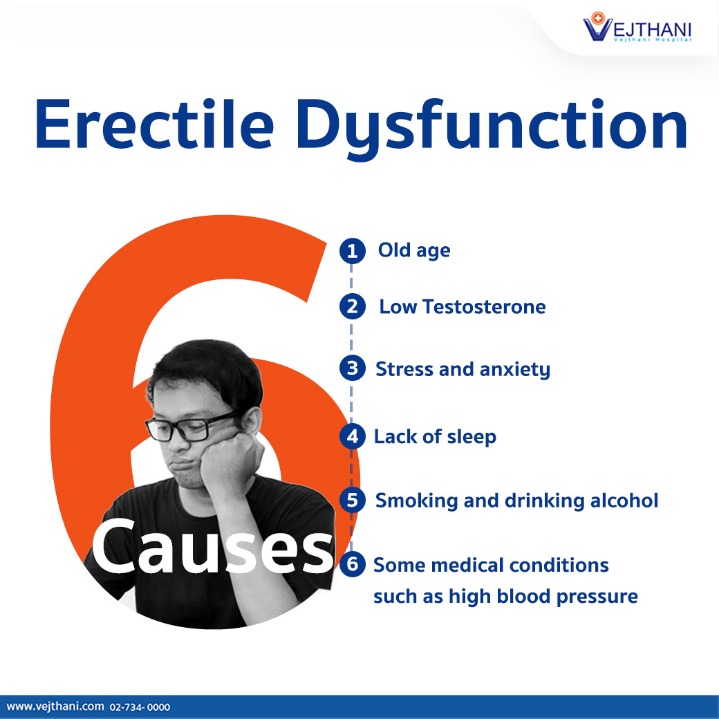
The causes of erectile dysfunction are generally divided into two broad categories: physical causes and psychological causes. In many men, especially those over 40, both physical and psychological factors are present at the same time. Understanding these causes is a critical step in addressing ED effectively.
Physical causes often involve the blood vessels, nerves, or hormones. The most common physical contributor to ED is cardiovascular disease, including atherosclerosis, high blood pressure, and high cholesterol. These conditions damage blood vessels and reduce blood flow throughout the body, including to the penis. Because the penile arteries are relatively small, they are often among the first to show signs of reduced blood flow. Diabetes is another leading cause of erectile dysfunction. Over time, high blood sugar can damage both nerves and small blood vessels, making it harder for the brain and nervous system to trigger an erection and harder for blood to fill the penile tissue. Neurological disorders such as multiple sclerosis, Parkinson’s disease, and spinal cord injuries can also disrupt the nerve pathways required for an erection.
Hormonal imbalances are another important factor. Low testosterone can reduce sexual desire and make it more difficult to get an erection, although low testosterone alone is less commonly the sole cause of ED. Thyroid problems and elevated prolactin levels can also affect erectile function. Additionally, many prescription medications list erectile dysfunction as a potential side effect. Blood pressure medications, antidepressants, antihistamines, and certain drugs used to treat prostate conditions can all interfere with erections. In many cases, adjusting the medication under a doctor’s supervision can improve symptoms.
Lifestyle factors and psychological health play an equally important role. Smoking damages blood vessels and reduces nitric oxide availability, making it harder for the penile arteries to relax and fill with blood. Heavy alcohol use depresses the central nervous system and can temporarily prevent erections. Being overweight or obese increases the risk of diabetes, high blood pressure, and hormonal changes, all of which contribute to ED. A sedentary lifestyle, poor sleep, and chronic stress can all reduce erectile function over time.
Psychologically, performance anxiety is one of the most common causes of erectile dysfunction in younger men. Worrying about whether an erection will happen can activate the body’s stress response, which narrows blood vessels and makes an erection less likely. Depression, anxiety, relationship conflict, and past sexual trauma can also contribute. A common real-world example is a man in his late 40s with a high-stress job and newly diagnosed high blood pressure who notices that his erections are no longer reliable. The initial physical cause may be reduced blood flow from hypertension, but the emotional frustration and anticipation of failure quickly create a cycle of anxiety that makes the problem worse. This overlap between physical and psychological causes is exactly why a thorough evaluation is so important.
Treatment Options and Everyday Changes That Can Improve Erectile Function
Treating erectile dysfunction begins with identifying the underlying cause. For many men, a combination of medical treatment and lifestyle changes provides the best results. The good news is that ED is highly treatable, and a wide range of options exists, from oral medications to lifestyle adjustments and counseling.
Oral medications known as PDE5 inhibitors are among the most well-known treatments for erectile dysfunction. These medications work by enhancing the effects of nitric oxide, the chemical that relaxes penile muscles and increases blood flow. They do not automatically produce an erection; sexual stimulation is still required. This class includes sildenafil, tadalafil, vardenafil, and avanafil. Each has a different duration of action and onset time, so men may work with their healthcare provider to find the one that fits their needs. It is essential to note that these medications are not safe for men taking nitrates for chest pain, and they should only be used under medical supervision.
For men who do not respond to oral medications or who cannot take them, other medical options are available. Vacuum erection devices use a pump to draw blood into the penis, and a tension ring helps maintain the erection. Injectable medications can be placed directly into the penile tissue to relax blood vessels and improve blood flow quickly. Intraurethral suppositories and penile implants are additional options for more difficult cases. If a blood test reveals low testosterone, testosterone replacement therapy may improve both libido and erectile function, though it is not a standalone cure for all men with ED.
Lifestyle changes are often the most powerful and underused tools for improving erectile function. Regular aerobic exercise, such as brisk walking, swimming, or cycling, improves circulation, strengthens the heart, and helps maintain a healthy weight. A diet rich in vegetables, fruits, whole grains, lean protein, and healthy fats—often called a Mediterranean-style diet—supports blood vessel health and reduces inflammation. Losing even 10 to 15 pounds can lead to noticeable improvements in erectile function in overweight men. Quitting smoking, limiting alcohol to moderate levels, and prioritizing good sleep can also have a meaningful impact.
Psychological treatments can be just as important as physical ones. Sex therapy, cognitive behavioral therapy, and couples counseling can help men reduce performance anxiety, address depression, and improve communication with their partner. In some cases, treating the emotional component of ED breaks the cycle of anxiety and avoidance, making physical treatments more effective. Pelvic floor exercises, often called Kegel exercises for men, can strengthen the muscles involved in maintaining an erection and reduce leakage after urination. These exercises require consistency but have been shown to improve erectile function in several studies.
Because erectile dysfunction can be an early warning sign of heart disease, diabetes, or other serious health conditions, men should not ignore it or rely solely on over-the-counter supplements. A healthcare provider can perform blood tests, review medications, and assess cardiovascular risk to guide the right treatment plan. For some men, improving erectile function is a matter of better blood pressure control. For others, it requires a combination of medication, exercise, and counseling. The most effective approach is individualized, evidence-based, and patient, because erectile function is closely tied to overall physical and emotional health.