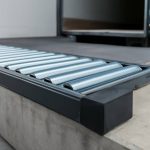
Camping season has a way of arriving before the driveway checklist is finished. For Tiffin RV owners, the slide-out system deserves a slow, deliberate inspection before the first trip. A slide-out room is heavy, and it depends on small components—rollers, glide kits, gear packs, and the crank handle you hope never to need—to move smoothly and stop securely. The goal of a pre-season check is not to rebuild the system. It is to notice wear, looseness, and small failures while the coach is parked at home, where tools, light, and time are easier to manage.
Begin With a Clean, Level Slide-Out
Park the coach on a level surface and extend the slide-outs according to the owner’s manual. Give the room a few minutes to settle, then look underneath and along the tracks with a bright light. Leaves, road grit, and dried debris can hide roller problems and accelerate wear. Clean the visible track areas and inspect the seals for tears or gaps. Do not lubricate anything until you know what the manufacturer recommends; some track components attract dirt when over-lubricated.
With the slide-out extended, make a simple inspection pass:
- Look at each accessible roller for flat spots, cracks, chips, or wobble.
- Check roller brackets and fasteners for looseness or signs of movement.
- Inspect glide kits and wear pads for broken pieces, deep grooves, or missing hardware.
- Listen for grinding, popping, or uneven sounds as the room moves.
- Confirm the crank handle is stored, undamaged, and matched to the slide-out system.
This first pass is about observation. If something looks worn, make a note and compare it with the manufacturer’s guidance before ordering parts or adjusting the mechanism.
Inspect Rollers and Glide Kits Under Load
Rollers carry the weight of the slide-out room, so they deserve more than a quick glance. Look for wear patterns on the roller surface and the floor or underbelly material. A roller that no longer turns freely, or one with a visible flat spot, can cause dragging, noise, and strain on the drive system. Check the bracket as well as the roller itself. A tight bracket is not necessarily better; follow the service information for your Tiffin model and avoid overtightening fasteners that are meant to allow some movement.
Glide kits and wear pads are easy to overlook because they are often less visible than rollers. Look for cracked pads, missing pieces, and uneven contact. If a glide kit is worn, the slide-out may still move, but the added friction can make the system work harder. Pay attention to the floor inside the coach, too. Fresh scratches or dark rub marks can point to a roller or glide problem that is not obvious from the outside. If you find damaged parts, plan the repair before the first camping trip rather than waiting for a failure at the campsite.
Check Gear Packs, Motors, and Manual Overrides
The gear pack is part of what turns motor power into room movement. During your inspection, listen for a steady, familiar sound. Grinding, clunking, or a slide-out that hesitates can be a sign that something needs attention. Look for loose mounting hardware, damaged gear teeth, and excessive grease or debris around the mechanism. Do not force a slide-out that is binding. Stop, inspect, and consult the proper service information for your system.
Manual overrides need attention before you need them. Locate the crank handle, confirm it is not cracked or bent, and make sure you know where it is stored. Check that it engages the manual override point as described in your owner’s documentation. If your coach uses an in-wall slide-out system, review the manual override procedure while you are parked and calm, not on the shoulder of a road. Test the procedure only in a safe place and only as the manufacturer allows. The crank handle is a small item, but a missing or damaged handle can turn a minor issue into a long delay.
Include Doors, Latches, and rv sliding door hardware in the Walkaround
Slide-outs get most of the attention, but doors and latches take a beating on every trip. Walk around the entry door, compartment doors, and any interior sliding doors. Check for loose hinges, worn latches, misaligned tracks, and hardware that no longer feels solid. If your coach has sliding door components, inspect the rv sliding door hardware at the same time. A loose latch or worn roller can rattle down the road and become a bigger annoyance at camp. Tighten what is meant to be tight, replace what is clearly worn, and make sure every door closes and latches as it should.
Do not ignore small sounds. A rattle that seems minor in the driveway can become a persistent noise on a long drive, and it can also point to a fastener or component that is working loose. Door hardware is especially easy to overlook because it is not part of the slide-out mechanism, yet it affects daily use at camp. Include it in the same pre-season walkaround so it does not get pushed to the bottom of the list.
Build a Departure-Day Routine
Once the inspection is complete, exercise each slide-out several times. Watch for smooth movement, listen for changes, and confirm that the room seals properly when retracted. Keep a small notebook or phone note with the parts and observations you want to address. If you find worn rollers, glide kit pieces, gear pack concerns, or a damaged crank handle, order the correct parts before the season gets busy. A pre-trip checklist is most useful when it leads to a repair plan rather than a last-minute scramble.
Before every departure, do a shorter version of the same walkaround: check that nothing is stored against the slide-out, confirm the crank handle is in place, look for new rub marks, and test the doors and latches. For Tiffin RV owners, the payoff is simple: fewer surprises, smoother setups, and more confidence that the coach is ready for the road. The best time to find a worn slide-out roller or a loose piece of rv sliding door hardware is before the camping season starts, not after the first campsite is reserved.